Understanding the True Value of Pashmina
In a world flooded with synthetic fabrics and machine-made imitations, finding an authentic Kashmiri Pashmina can feel like searching for a needle in a haystack. The term 'Pashmina' has often been misused to sell everything from sheep's wool to viscose blends. However, true Pashmina is a marvel of nature and human craftsmanship, possessing distinct qualities that set it apart from any other fabric on earth. Knowing how to identify genuine Pashmina is essential for anyone looking to invest in this luxurious textile.
The Source: The Mighty Changthangi Goat
Authentic Pashmina comes exclusively from the undercoat of the Changthangi goat, native to the high-altitude regions of the Himalayas, particularly Ladakh. These goats endure extreme cold, and their fine undercoat provides essential insulation. The fiber is extraordinarily fine, typically measuring between 12 to 16 microns in diameter—much finer than human hair. This remarkable fineness is what gives Pashmina its unparalleled softness and warmth. When shopping for a shawl, understanding this origin is the first step in differentiating the real from the fake.
The Ring Test: Myth vs. Reality
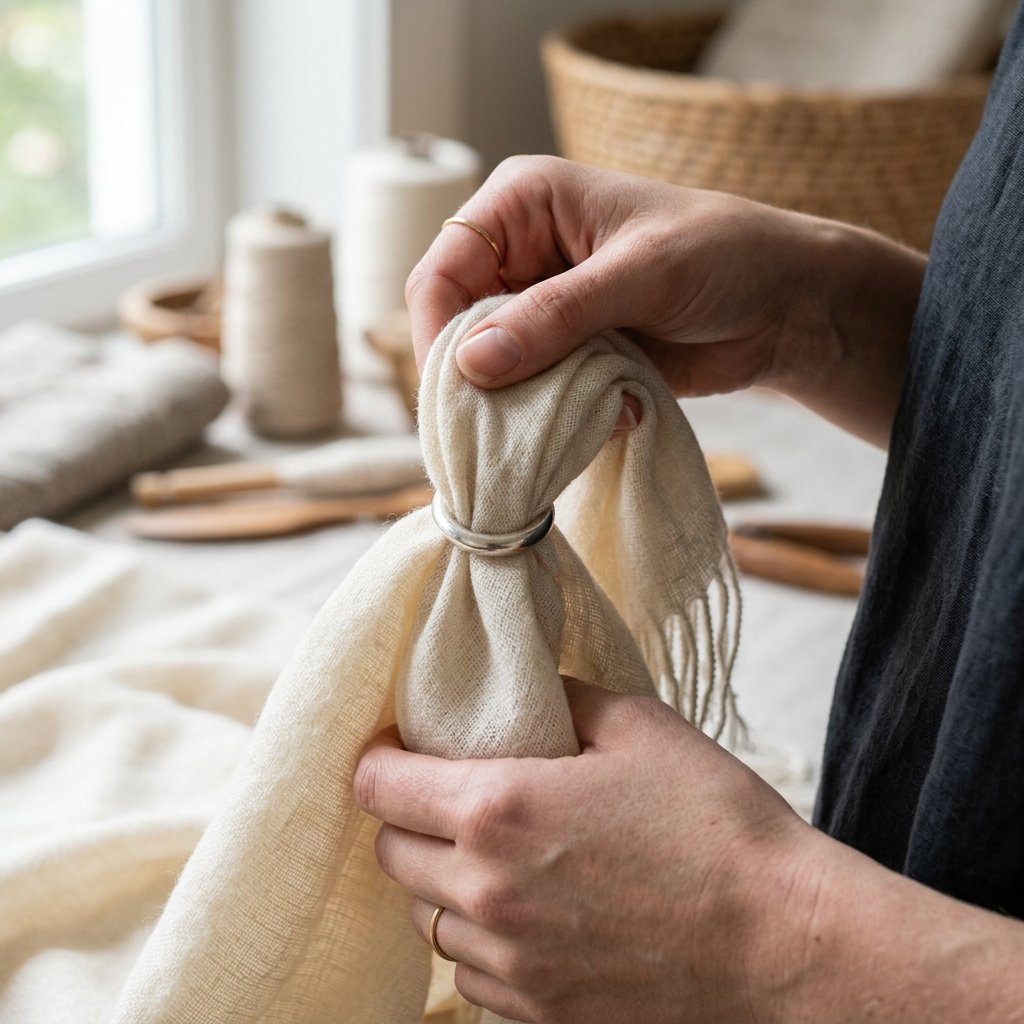
One of the most famous methods for testing a Pashmina is the 'Ring Test', where a full-sized shawl is supposed to pass easily through a wedding ring. While a genuine, finely woven, unembroidered Pashmina shawl can indeed pass this test due to its incredible lightness and flexibility, it is not a foolproof method. Some modern synthetic fabrics mixed with softeners can also pass the ring test, while heavily embroidered authentic shawls (like Jamawar) will not. Therefore, while the ring test is a good indicator of the fabric's fineness, it should not be the sole criterion for authenticity.
Visual and Tactile Clues
A true Pashmina has a distinct look and feel. It is never perfectly uniform. Because it is hand-spun and hand-woven, you will notice slight irregularities in the weave if you hold it up to the light. This 'perfect imperfection' is a hallmark of authentic handloom work. Furthermore, genuine Pashmina does not have an artificial, glossy sheen; it has a subtle, elegant matte finish. When you touch it, the fabric should feel incredibly soft and warm, but never 'slippery' like silk or synthetic blends. It should also be surprisingly light for the amount of warmth it provides.
The Burn Test and Pilling
If you have access to a loose thread, the burn test is a definitive way to check for authenticity. Since Pashmina is a natural animal fiber, it burns like human hair. It will smell like burnt hair and leave behind a powdery, brittle ash. In contrast, synthetic fibers will melt, smell like burning plastic, and leave a hard lump. Additionally, because it is a natural fiber, authentic Pashmina will experience some minor pilling (small balls of fuzz) over time with friction. While excessive pilling might indicate a lower quality weave, a complete absence of pilling on a heavily used shawl could suggest synthetic additions.
Understanding the True Value of Pashmina
In a world flooded with synthetic fabrics and machine-made imitations, finding an authentic Kashmiri Pashmina can feel like searching for a needle in a haystack. The term 'Pashmina' has often been misused to sell everything from sheep's wool to viscose blends. However, true Pashmina is a marvel of nature and human craftsmanship, possessing distinct qualities that set it apart from any other fabric on earth. Knowing how to identify genuine Pashmina is essential for anyone looking to invest in this luxurious textile.
The Source: The Mighty Changthangi Goat
Authentic Pashmina comes exclusively from the undercoat of the Changthangi goat, native to the high-altitude regions of the Himalayas, particularly Ladakh. These goats endure extreme cold, and their fine undercoat provides essential insulation. The fiber is extraordinarily fine, typically measuring between 12 to 16 microns in diameter—much finer than human hair. This remarkable fineness is what gives Pashmina its unparalleled softness and warmth. When shopping for a shawl, understanding this origin is the first step in differentiating the real from the fake.
The Ring Test: Myth vs. Reality
One of the most famous methods for testing a Pashmina is the 'Ring Test', where a full-sized shawl is supposed to pass easily through a wedding ring. While a genuine, finely woven, unembroidered Pashmina shawl can indeed pass this test due to its incredible lightness and flexibility, it is not a foolproof method. Some modern synthetic fabrics mixed with softeners can also pass the ring test, while heavily embroidered authentic shawls (like Jamawar) will not. Therefore, while the ring test is a good indicator of the fabric's fineness, it should not be the sole criterion for authenticity.
Visual and Tactile Clues
A true Pashmina has a distinct look and feel. It is never perfectly uniform. Because it is hand-spun and hand-woven, you will notice slight irregularities in the weave if you hold it up to the light. This 'perfect imperfection' is a hallmark of authentic handloom work. Furthermore, genuine Pashmina does not have an artificial, glossy sheen; it has a subtle, elegant matte finish. When you touch it, the fabric should feel incredibly soft and warm, but never 'slippery' like silk or synthetic blends. It should also be surprisingly light for the amount of warmth it provides.
The Burn Test and Pilling
If you have access to a loose thread, the burn test is a definitive way to check for authenticity. Since Pashmina is a natural animal fiber, it burns like human hair. It will smell like burnt hair and leave behind a powdery, brittle ash. In contrast, synthetic fibers will melt, smell like burning plastic, and leave a hard lump. Additionally, because it is a natural fiber, authentic Pashmina will experience some minor pilling (small balls of fuzz) over time with friction. While excessive pilling might indicate a lower quality weave, a complete absence of pilling on a heavily used shawl could suggest synthetic additions.
Understanding the True Value of Pashmina
In a world flooded with synthetic fabrics and machine-made imitations, finding an authentic Kashmiri Pashmina can feel like searching for a needle in a haystack. The term 'Pashmina' has often been misused to sell everything from sheep's wool to viscose blends. However, true Pashmina is a marvel of nature and human craftsmanship, possessing distinct qualities that set it apart from any other fabric on earth. Knowing how to identify genuine Pashmina is essential for anyone looking to invest in this luxurious textile.
The Source: The Mighty Changthangi Goat
Authentic Pashmina comes exclusively from the undercoat of the Changthangi goat, native to the high-altitude regions of the Himalayas, particularly Ladakh. These goats endure extreme cold, and their fine undercoat provides essential insulation. The fiber is extraordinarily fine, typically measuring between 12 to 16 microns in diameter—much finer than human hair. This remarkable fineness is what gives Pashmina its unparalleled softness and warmth. When shopping for a shawl, understanding this origin is the first step in differentiating the real from the fake.
The Ring Test: Myth vs. Reality
One of the most famous methods for testing a Pashmina is the 'Ring Test', where a full-sized shawl is supposed to pass easily through a wedding ring. While a genuine, finely woven, unembroidered Pashmina shawl can indeed pass this test due to its incredible lightness and flexibility, it is not a foolproof method. Some modern synthetic fabrics mixed with softeners can also pass the ring test, while heavily embroidered authentic shawls (like Jamawar) will not. Therefore, while the ring test is a good indicator of the fabric's fineness, it should not be the sole criterion for authenticity.
Visual and Tactile Clues
A true Pashmina has a distinct look and feel. It is never perfectly uniform. Because it is hand-spun and hand-woven, you will notice slight irregularities in the weave if you hold it up to the light. This 'perfect imperfection' is a hallmark of authentic handloom work. Furthermore, genuine Pashmina does not have an artificial, glossy sheen; it has a subtle, elegant matte finish. When you touch it, the fabric should feel incredibly soft and warm, but never 'slippery' like silk or synthetic blends. It should also be surprisingly light for the amount of warmth it provides.
The Burn Test and Pilling
If you have access to a loose thread, the burn test is a definitive way to check for authenticity. Since Pashmina is a natural animal fiber, it burns like human hair. It will smell like burnt hair and leave behind a powdery, brittle ash. In contrast, synthetic fibers will melt, smell like burning plastic, and leave a hard lump. Additionally, because it is a natural fiber, authentic Pashmina will experience some minor pilling (small balls of fuzz) over time with friction. While excessive pilling might indicate a lower quality weave, a complete absence of pilling on a heavily used shawl could suggest synthetic additions.